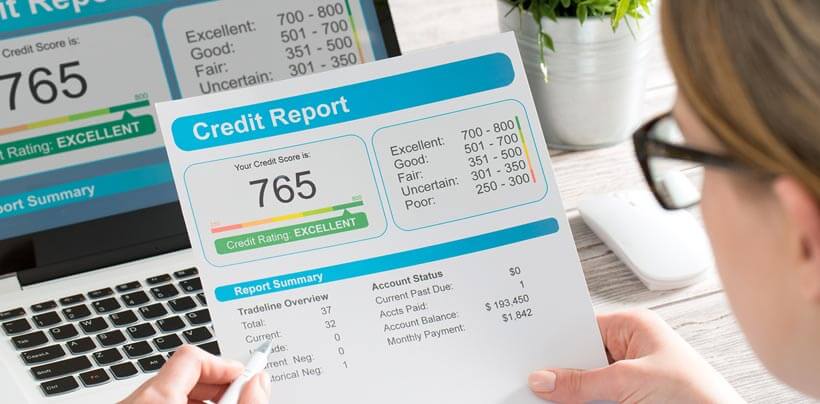
Your credit history can play a part in the borrowing options available to you. Whether you are preparing to buy a car, considering a mortgage or simply trying to put your finances on firmer ground, improving your credit starts with understanding your current position. There is no guaranteed shortcut, but a few practical habits can help you move forward.
Start with your credit reports
A credit report records information about your accounts and repayment history. A credit score uses information from a report to estimate credit risk. You can have different scores because lenders and scoring models do not all use the same information in the same way.
Request your reports through AnnualCreditReport.com and review the accounts, balances and payment records. If you find an account you do not recognize or information you believe is inaccurate, dispute it with the credit reporting company and the business that supplied it. Keep copies of your correspondence. Checking your own credit reports does not hurt your scores.
Make payments part of your budget
Payment history matters, so begin with a realistic plan for meeting due dates. Write down the minimum payment and due date for each account. Calendar reminders or automatic payments can help, provided you keep enough money in the payment account to avoid overdrafts.
If you are struggling to make a payment, contact the lender as early as possible to ask about available arrangements. A new loan is not automatically the answer to an existing shortfall. Review your essential expenses and repayment commitments before taking on another obligation.
Reduce the balances on your credit cards
Credit utilization describes how much of your available revolving credit you are using. Lower balances relative to your limits generally help your credit profile. Avoid treating your credit limit as a spending target.
Consider directing extra money toward existing balances while continuing to make required payments on every account. Paying the statement balance in full when possible can also help you avoid purchase interest, depending on your card terms. You do not need to carry an interest-bearing balance to build credit.
Be thoughtful about new accounts
Apply for credit when it serves a clear purpose and you can afford the commitment. Several applications in a short period can affect your scores. Opening an account just to chase a possible score increase may also introduce fees or tempt you to spend more.
If your history is limited, a secured card may be an option to investigate. Compare fees, deposit requirements and reporting practices before applying. Existing accounts deserve attention too: closing a card can reduce available credit, but keeping an expensive or difficult-to-manage account is not always the right choice.
Give your habits time to work
Progress depends on your starting point and the information in your reports. No service can promise a particular increase or honestly guarantee the removal of accurate negative information. Focus on manageable payments, lower balances and regular reviews rather than daily score changes.
For more context, explore our guides to credit score ranges and reasons a credit application may be denied.